
Insider Travel Tips for Exploring the Dominican Republic Safely
Understanding the Dominican Republic’s Culture and Etiquette
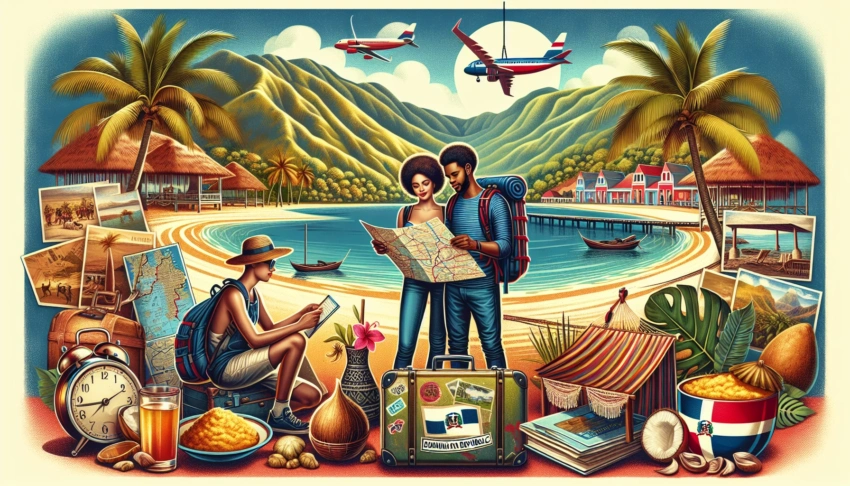
Insider Travel Tips for Exploring the Dominican Republic Safely
Delving into the vibrant tapestry of the Dominican Republic’s culture can dramatically enrich your travel experience. By familiarizing yourself with local customs, language, and culinary delights, you’ll not only enhance your interactions with locals but also gain a deeper appreciation for the country’s rich heritage.
1. Language and Communication Tips
While Spanish is the official language of the Dominican Republic, you’ll find that many locals in tourist areas speak English to varying degrees. However, showing effort in speaking the local language can go a long way in building rapport and respect. Consider learning a few key Spanish phrases to ease interactions:
- “Hola, ¿cómo está?” (Hello, how are you?) – A friendly greeting that shows you care.
- “Gracias” (Thank you) – Essential for showing appreciation.
- “Por favor” (Please) – Politeness is always appreciated.
- “¿Dónde está…?” (Where is…?) – Useful for asking directions.
Gestures are also a significant part of communication. A simple smile can transcend language barriers, while a nod can affirm understanding. Be mindful of the local culture’s non-verbal cues, such as avoiding direct eye contact, which might be perceived as confrontational in some instances.
2. Cultural Norms and Traditions
Dominican society is a captivating blend of African, Taino, and Spanish influences, each contributing to its unique traditions and customs. While visiting, it’s important to respect these cultural norms to avoid misunderstandings.
Family holds a central place in Dominican life, and Sundays are often reserved for family gatherings. If you’re invited to a local’s home, it’s customary to bring a small gift, like sweets or wine, as a token of appreciation. When greeting someone, a firm handshake is the norm, but among friends, a kiss on the cheek is common.
Religion also plays a pivotal role, with many Dominicans practicing Catholicism. Visitors should dress modestly when visiting religious sites, which means avoiding shorts and sleeveless tops.
3. Local Cuisine and Dining Etiquette
Embarking on a culinary adventure is a must in the Dominican Republic. The local cuisine is a delicious fusion of Spanish, African, and Taino flavors that will tantalize your taste buds. Must-try dishes include:
- La Bandera: The national dish consisting of rice, beans, and meat, representing the Dominican flag’s colors.
- Mangu: A breakfast staple made from mashed plantains, often served with eggs and salami.
- Sancocho: A hearty stew made with meats, tubers, and vegetables, perfect for a filling meal.
When dining, it’s customary to wait for the host to say “Buen provecho” (Enjoy your meal) before starting. Tipping is appreciated, with a standard rate of 10% added to bills, though an additional tip for exceptional service is welcomed.
Understanding and embracing these cultural nuances not only enhances your travel experience but also fosters meaningful connections with the people of the Dominican Republic. As you immerse yourself in the local culture, you’ll find yourself captivated by the warmth and hospitality that define this Caribbean gem.
Section 2: Navigating Transportation Options Safely
Exploring the vibrant landscape of the Dominican Republic is an adventure in itself, but ensuring you choose the safest and most convenient transportation options can make all the difference in your travel experience. Let’s dive into how you can move around like a pro.

Aerial view of Punta Cana
1. Public Transportation Tips
Navigating public transportation in the Dominican Republic can be both budget-friendly and a bit of an adventure. The country’s public transit system includes buses, minibuses (also known as “guaguas”), and motoconchos (motorcycle taxis). Here’s how to use them safely:
- Buses and “Guaguas”: These are the backbone of public transportation. They are inexpensive and cover most areas, but can be crowded. Keep an eye on your belongings and try to travel during daylight hours.
- Motoconchos: These motorcycle taxis are a quick way to get around, especially in smaller towns. Always negotiate the fare before hopping on and wear a helmet for safety.
- Safety First: Avoid traveling alone late at night and be cautious of your surroundings. If you’re unsure about a route, ask locals or your accommodation staff for advice.
2. Renting a Car vs. Using Taxis
Deciding between renting a car and using taxis involves weighing convenience, cost, and safety. Here’s a breakdown to help you choose the best option:
Comparing Rental Cars and Taxis in the Dominican Republic
| Factor | Rental Car | Taxi |
|---|---|---|
| Cost | Higher initial cost, but economical for long-distance travel | Cost-effective for short trips, but can add up on longer routes |
| Convenience | Greater flexibility and access to remote locations | More convenient in urban areas with heavy traffic |
| Safety | Requires careful driving due to local traffic conditions | Safer if using reputable taxi services |
If you choose to rent a car, ensure you have a valid driver’s license and understand local driving laws. On the other hand, taxis are best for short city commutes, but always use registered services or hotel-recommended drivers.
Our Best Tours in Punta Cana
Take the hassle out of transportation by booking one of our expertly curated tours. Whether you’re looking to explore the tropical landscape or dive into the local culture, our tours provide safe, guided experiences.
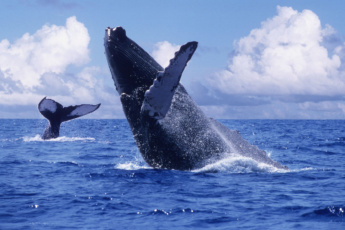
The Best Samaná Whale Watching Tour 2026 - Humpback Whales, Cayo Levantado, El Limon Waterfall
from $149 Read more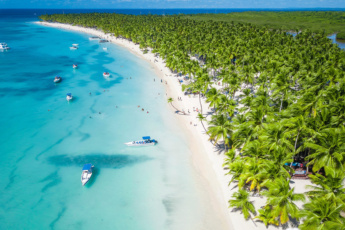
Saona Island Excursion - Caribbean Paradise
from $75 Read more3. Safety Precautions for Travelers
Traveling in the Dominican Republic can be a thrilling experience, but it’s important to prioritize your safety. Here are some essential safety measures to consider:
- Stay Informed: Keep updated on local news and weather forecasts, especially during hurricane season.
- Secure Your Belongings: Use hotel safes and keep valuables out of sight. When traveling, carry a copy of your passport and other important documents.
- Emergency Contacts: Save local emergency numbers in your phone, including the police (911) and your country’s embassy or consulate.
- Trust Your Instincts: If a situation feels uncomfortable, remove yourself from it. It’s better to be safe than sorry.
By following these tips, you’ll be well-prepared to explore the Dominican Republic’s stunning landscapes and vibrant cities without compromising your safety. So, pack your bags and get ready for an unforgettable adventure!
Staying Safe in Popular Tourist Areas
Ah, the allure of the Dominican Republic’s sun-kissed beaches and vibrant cities! While these spots offer endless fun and adventure, it’s essential to keep a few safety tips in mind to ensure your trip remains memorable for all the right reasons.
1. Best Practices for Beach Safety
The Dominican Republic is renowned for its pristine beaches, but even in paradise, it’s crucial to prioritize safety. First and foremost, always swim in designated areas where lifeguards are present. The ocean can be unpredictable, and strong rip currents are not uncommon. If you find yourself caught in one, remember not to panic—swim parallel to the shore until you’re out of the current, then make your way back to land.
Hydration is vital when basking under the tropical sun. Always carry a bottle of water, apply sunscreen frequently, and seek shade during peak sun hours from 10 a.m. to 4 p.m. Lastly, keep an eye on your belongings. Utilize beach lockers if available, or keep valuables in a waterproof pouch.
2. Exploring Santo Domingo Safely
Santo Domingo, the capital city, is a treasure trove of history and culture. To explore it safely, start by visiting popular areas such as the Colonial Zone during daylight. This UNESCO World Heritage Site is best enjoyed with a guided tour, which offers insights into its rich history while keeping you on well-trodden paths.
Transportation-wise, stick to reputable taxi services or ride-sharing apps for peace of mind. Avoid wandering off to unknown neighborhoods, especially after dark. And, like any bustling city, always be aware of your surroundings and avoid displaying expensive items like flashy jewelry or electronics.
3. Nightlife Safety Tips
The Dominican Republic’s nightlife is legendary, offering everything from beachside parties to lively dance clubs. To enjoy it safely, travel with a group and stay in well-populated areas. Always be cautious with alcohol consumption and never leave drinks unattended. It’s also wise to pre-arrange transportation back to your accommodation to avoid last-minute haggling with taxi drivers.
Consider carrying a minimal amount of cash and leave important documents, like your passport, securely locked away at your hotel. Finally, trust your instincts. If a situation feels off, it probably is, and it’s okay to leave and find a safer environment.
By staying alert and prepared, you’ll be able to immerse yourself in the Dominican Republic’s vibrant scenes while enjoying peace of mind. Remember, adventure awaits those who travel wisely!
Health and Emergency Preparedness
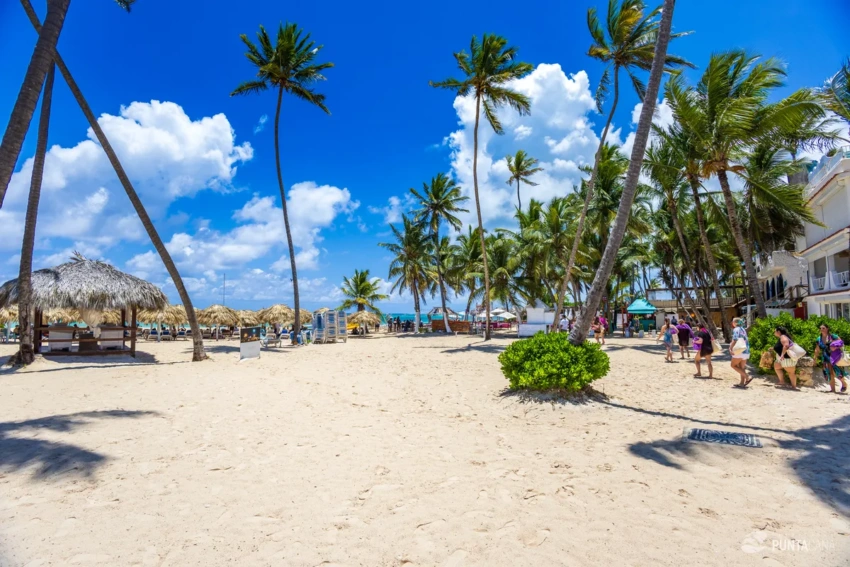
Punta Cana
Your adventure in the Dominican Republic can be thrilling and unforgettable, but it’s crucial to stay vigilant about your health and preparedness for emergencies. Here’s how to keep your trip safe and worry-free.
1. Vaccinations and Health Tips
Before you pack your bags, make sure your health is up to par for your Dominican getaway. The Centers for Disease Control and Prevention (CDC) recommends certain vaccinations for travelers heading to the Dominican Republic. These include Hepatitis A and B, Typhoid, and routine vaccines like MMR (measles, mumps, and rubella).
It’s also wise to visit your healthcare provider 4-6 weeks before your trip to ensure you have ample time for these vaccinations. Additionally, pack a travel health kit with essentials like sunscreen, insect repellent, and basic first-aid supplies.
Table of Recommended Vaccinations
| Vaccine | Recommended For | Reason |
|---|---|---|
| Hepatitis A | All travelers | Contaminated food or water |
| Hepatitis B | Most travelers | Sexual contact, contaminated needles |
| Typhoid | Adventurous eaters | Contaminated food or water |
| MMR | All travelers | Measles outbreaks |
Remember to stay hydrated, especially if you’re indulging in outdoor activities. The tropical climate can be quite dehydrating.
2. Dealing with Emergencies
Even the best-laid plans can hit a snag. Knowing who to call and where to go in an emergency can be a lifesaver. Dial 9-1-1 for local emergency services, which can connect you to police, fire, or medical help.
For any medical emergencies, have a list handy of hospitals or clinics near your accommodation. The Hospital General de la Plaza de la Salud in Santo Domingo is one of the top hospitals in the country. Always verify current contact information and services offered prior to your visit.
It’s also a good idea to register with the Smart Traveler Enrollment Program (STEP)</span) through the U.S. Department of State. This free service enables you to receive important information from the Embassy about safety conditions in the Dominican Republic.
3. Travel Insurance Considerations
Travel insurance might not be the first thing on your mind when planning a sun-soaked vacation, but it’s a crucial aspect of ensuring peace of mind. A comprehensive travel insurance plan should cover medical emergencies, trip cancellations, and lost luggage.
When choosing travel insurance, look for policies that offer 24/7 assistance and evacuation coverage, especially if you plan to explore remote areas. Read the fine print to understand what’s covered and what isn’t, ensuring it aligns with your itinerary.
Our Best Tours in Punta Cana
While you’re in the Dominican Republic, why not explore some of the breathtaking tours we offer? From stunning beaches to vibrant cultural experiences, we have something for everyone. Check out our top excursions below and make your trip truly memorable.
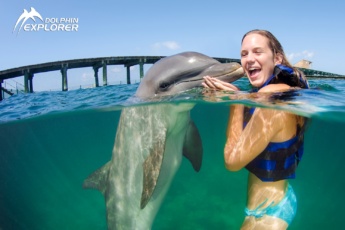
Swimming with Dolphins in Punta Cana - Top Adventure 2026 (50 minutes)
from $155 Read more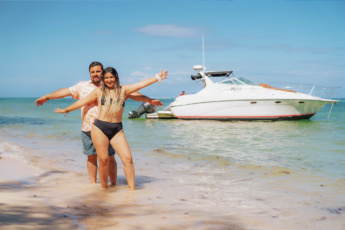
Punta Cana Private Boat Trip at the Best Price - 3-Hour Exclusive Tour with Snorkeling (from Jellyfish to Cabeza de Toro)
from $590 Read moreAvoiding Tourist Traps and Scams
Traveling to new destinations is exciting and adventurous, but it’s essential to stay vigilant to ensure your trip is both enjoyable and safe. The Dominican Republic, with its stunning beaches and vibrant culture, is no exception. Knowing how to sidestep common tourist traps and scams can make a world of difference in your travel experience.
1. Recognizing Common Scams
Spotting scams before they happen can save you from a lot of hassle. One common scam involves unofficial taxi drivers who offer rides at exorbitant prices. Always use authorized taxis, which are typically marked and have meters. Another scam to watch out for is the “friendly local” who offers unsolicited tours or advice and then demands a tip. Politely decline these offers and stick to verified tour guides.
In addition, be cautious of street vendors selling counterfeit goods or offering “too good to be true” deals. These items are often low quality, and the vendors may pressure you into making a quick purchase. Trust your instincts; if something feels off, it probably is.
2. Shopping Safely
Shopping for souvenirs is a delightful part of any travel experience, but it’s crucial to avoid overpricing. To shop safely, start by researching the typical prices of local goods. This gives you a baseline for negotiation. When visiting markets, don’t hesitate to haggle. Vendors often expect it and may initially set prices high, especially for tourists.
When it comes to purchasing unique local crafts, make sure to buy from reputable shops or cooperatives that support local artisans. This not only ensures you’re getting authentic products but also supports the local economy. Remember, a smile and a friendly interaction can often lead to better prices and a more enjoyable shopping experience.
3. Choosing Reliable Tour Operators
Selecting the right tour operator is essential for a safe and rewarding excursion. Start by researching operators online and reading reviews from other travelers. Websites like TripAdvisor can be invaluable for gathering firsthand experiences. Look for operators with clear pricing, detailed itineraries, and responsive customer service.
Always book through official channels, whether directly on an operator’s website or through your hotel. Avoid booking tours through street vendors or unverified sources, as these can often lead to disappointment or unsafe situations. A reputable tour operator will provide knowledgeable guides who prioritize your safety and ensure you have an unforgettable experience.
By staying informed and taking these precautions, you can focus on enjoying the Dominican Republic’s natural beauty and cultural treasures without falling prey to common tourist pitfalls. Safe travels!
Exploring Off the Beaten Path
Ready to escape the crowded tourist hotspots and uncover the hidden treasures of the Dominican Republic? Embarking on an off-the-beaten-path adventure promises unique experiences that are sure to leave lasting memories. From enchanting natural wonders to vibrant local festivals, each journey offers a slice of authenticity and excitement.
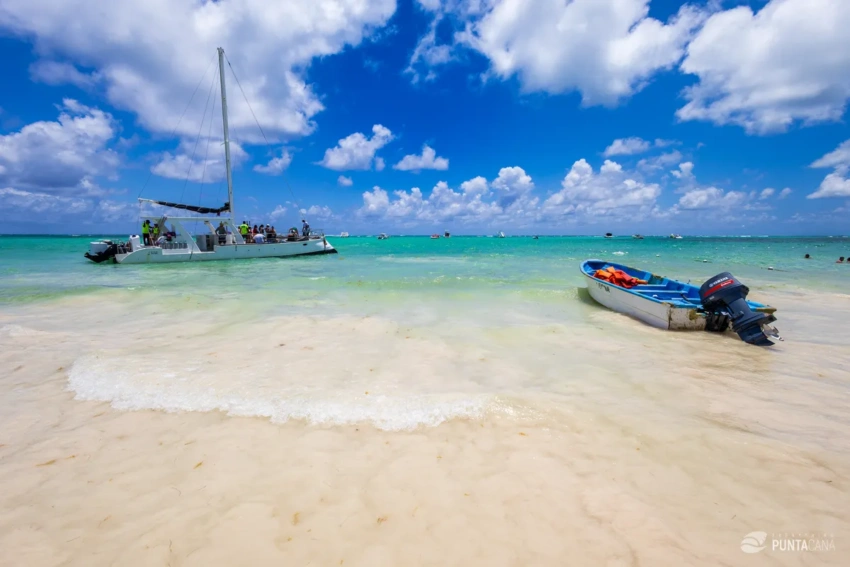
Punta Cana
1. Hidden Natural Wonders
For those with a thirst for adventure, the Dominican Republic offers a wealth of hidden natural wonders that are waiting to be discovered. From secluded beaches with untouched sands to lush rainforests teeming with wildlife, there’s something for every nature lover.
One such gem is the Los Haitises National Park, a stunning ecological reserve featuring mangroves, limestone caves, and ancient Taino petroglyphs. Accessible by boat, this park offers a chance to immerse yourself in nature’s tranquility away from the bustling crowds.
Another must-see is the El Limon Waterfall, a breathtaking cascade nestled in the heart of the Samana Peninsula. The trek through the tropical forest to reach the falls is as rewarding as the view itself, offering a true sense of adventure.
2. Experiencing Local Festivals
To truly understand a culture, there’s nothing quite like participating in its festivals. The Dominican Republic is renowned for its vibrant celebrations, which offer a colorful glimpse into the local way of life.
One of the most famous is the Carnival in La Vega, held every February. This event is a riot of color, music, and dance, featuring elaborate costumes and energetic parades. It’s an electrifying experience where you can dance alongside locals and feel the heartbeat of the Dominican culture.
Another fantastic festival is the Merengue Festival in Santo Domingo. Held annually, this festival celebrates the country’s beloved music and dance style, drawing crowds eager to enjoy live performances and engage in spirited dancing.
3. Rural Adventures
Venturing into the Dominican Republic’s rural areas offers a chance to experience the country’s authentic charm and connect with local communities. However, exploring these areas requires some preparation to ensure a safe and enjoyable journey.
When visiting rural regions, it’s advisable to travel with a guide who knows the area well. This not only enhances your safety but also provides insights into local customs and traditions. Engaging with community-based tourism initiatives can enrich your experience, allowing you to support local economies while gaining a deeper understanding of the culture.
For those seeking a truly immersive experience, consider staying in a homestay. This offers a unique opportunity to live like a local, learn traditional cooking techniques, and even participate in daily activities such as farming or crafting.
Our Best Off-the-Beaten-Path Tours
Looking to explore these hidden gems with ease? Our curated tours offer an insider’s view of the Dominican Republic’s most enchanting landscapes and cultural experiences. Book now to secure your spot on these unforgettable adventures!
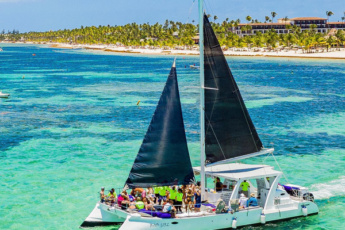
Power Cruise – Punta Cana Party Experience on the Bad Girl Catamaran
from $65 Read more
Private Whale Watching Tour from Punta Cana - Samaná, Cayo Levantado, El Limón Waterfall
from $1620 Read moreFrequently Asked Questions
What are the safest areas to visit in the Dominican Republic?
When visiting the Dominican Republic, consider staying in well-known tourist areas such as Punta Cana, La Romana, and Puerto Plata, where safety measures are strictly enforced.
These areas are equipped with security and are generally safer due to the high volume of tourists and local support.
How can I ensure my safety when using public transportation in the Dominican Republic?
Use only authorized taxis or ride-sharing services like Uber, which are available in major cities. Avoid using public buses, known as “guaguas,” after dark. Confirm the driver’s identity and vehicle information through the app before accepting a ride.
What vaccinations are recommended before traveling to the Dominican Republic?
It is recommended to have vaccinations for Hepatitis A, Hepatitis B, and Typhoid. Depending on your itinerary and activities, consider other vaccines like Rabies.
Consult with a healthcare professional to ensure you are up-to-date on routine vaccines.
How can I avoid food and water-related illnesses while in the Dominican Republic?
Drink only bottled or purified water and avoid ice unless you are sure it’s from a safe source. Eat at reputable restaurants and avoid street food unless it’s cooked thoroughly in front of you.
Always wash your hands or use sanitizer before eating to minimize risk.
Is it safe to use ATMs in the Dominican Republic?
Use ATMs located inside banks or reputable hotels to enhance safety. Avoid withdrawing large sums of money and be discreet when handling cash. Check the ATM for any signs of tampering before use.
What should I do in case of an emergency while traveling in the Dominican Republic?
In an emergency, contact local authorities or your country’s embassy. The emergency number in the Dominican Republic is 911.
Ensure you have travel insurance with emergency assistance coverage.
Are there any local customs or laws I should be aware of?
Yes, it’s important to respect local customs, such as dressing modestly when visiting religious sites and being mindful of personal space. Always carry a form of identification. Laws are strictly enforced regarding drugs and public disorder.
What steps can I take to protect myself from petty crime in the Dominican Republic?
Keep valuables secure and out of sight. Use hotel safes for passports and extra cash. Be aware of your surroundings, especially in crowded areas like markets. Avoid displaying expensive items, such as jewelry or electronics, in public.