
A Nature Lover’s Dream: Exploring the Dominican Republic’s Waterfalls
Discovering the Natural Beauty of Dominican Republic’s Waterfalls

A Nature Lover’s Dream: Exploring the Dominican Republic’s Waterfalls
Imagine a place where nature’s wonders cascade down lush mountainsides, where the sound of water crashing into crystal-clear pools creates a symphony of tranquility. Welcome to the Dominican Republic, a paradise for nature lovers, where waterfalls are not just a scenic delight but a vital part of the ecosystem.
The Dominican Republic’s waterfalls are more than just breathtaking sights; they are gateways to the country’s unique landscapes and biodiversity. These natural cascades carve through verdant rainforests and rugged terrains, offering a glimpse into the raw, untouched beauty of the island. From the towering heights of El Limón to the playful cascades of Damajagua, each waterfall is a testament to the power and grace of nature.
1. The Role of Waterfalls in Dominican Ecosystems
Waterfalls play an essential role in sustaining the diverse ecosystems of the Dominican Republic. They provide habitats for a variety of flora and fauna, supporting life forms that thrive in the misty, humid environments. The spray from waterfalls creates microhabitats that are ideal for ferns and mosses, which in turn offer shelter and food for insects and small animals.
These cascading waters help maintain the ecological balance by contributing to the water cycle. The constant flow of water ensures that downstream habitats receive a fresh supply of oxygenated water, crucial for aquatic life. Furthermore, waterfalls act as natural barriers that can prevent the spread of invasive species, ensuring that native plants and animals remain protected.
2. Geographic Distribution of Waterfalls
The Dominican Republic boasts a rich array of waterfalls, each located in distinct geographic regions that highlight the country’s diverse topography. The northern region, particularly the Cordillera Septentrional, is home to some of the most spectacular waterfalls, including the famous Damajagua Cascades. These waterfalls are nestled within lush forests, offering adventure seekers a thrilling experience.
In contrast, the eastern parts, such as the Samana Peninsula, are renowned for the majestic El Limón waterfall. Here, the landscape is characterized by rolling hills and tropical vegetation, providing a serene backdrop to the thundering water. Meanwhile, the central region, with its mountainous terrain, features impressive waterfalls like Salto de Jimenoa, where the scenery is nothing short of cinematic.
3. Cultural Significance of Waterfalls
Waterfalls in the Dominican Republic are not only natural wonders but also hold deep cultural significance. They are often featured in local folklore and legends, with many communities believing that these sites are inhabited by spirits or serve as portals to other realms. For instance, the El Limón waterfall is steeped in stories of mystical encounters and is considered a sacred place by locals.
In addition to their mythical allure, waterfalls are central to various cultural practices and traditions. They are popular sites for spiritual rituals, community gatherings, and celebrations. Local artisans often draw inspiration from these natural marvels, crafting beautiful artwork and crafts that depict the beauty and power of waterfalls.
Embark on a journey through the Dominican Republic’s waterfalls, and you’ll discover more than just breathtaking views. You’ll find a deep connection to nature, culture, and the heartbeat of the island itself. Whether you’re an adventurer, a nature lover, or a cultural enthusiast, the waterfalls of the Dominican Republic offer an experience like no other.
Must-Visit Waterfalls in the Dominican Republic
Prepare to be enchanted as we guide you through the most awe-inspiring waterfalls the Dominican Republic has to offer! Whether you’re a thrill-seeker or a tranquility chaser, these natural wonders promise to deliver an unforgettable experience.

Punta Cana
1. El Limon Waterfall: A Tropical Paradise
Nestled within the lush greenery of the Samana Peninsula, El Limon Waterfall is a breathtaking spectacle that seamlessly blends accessibility with natural beauty. It stands at an impressive 170 feet, cascading into a serene turquoise pool surrounded by verdant foliage. This waterfall is not only a visual delight but also a haven for biodiversity, offering an idyllic setting for both casual visitors and avid nature lovers.
To reach El Limon, you can embark on a thrilling horseback ride through the dense jungle, guided by knowledgeable locals who share fascinating tales and insights along the way. The path is lined with vibrant flora, and if you’re lucky, you might spot a variety of birds fluttering through the canopy. The refreshing dip in the waterfall’s pool after the hike or ride is the perfect reward for your journey!
El Limon is conveniently accessible, making it an ideal destination for families and solo travelers alike. To maximize your experience, consider visiting during the early morning or late afternoon to avoid the crowds and bask in the tranquil ambiance.
2. Damajagua Cascades: Adventure and Thrill
For those yearning for an adrenaline rush, the Damajagua Cascades offer an exhilarating adventure like no other. Located near Puerto Plata, this series of 27 waterfalls is a playground for thrill-seekers. Imagine climbing, jumping, and sliding down natural water slides, with cascading water providing a refreshing backdrop to your adventure.
Adventurers can choose how many cascades they wish to conquer, with options ranging from 7 to all 27 falls. Each level offers a unique challenge, with guides ensuring safety and providing essential equipment, such as helmets and life jackets. As you navigate through the labyrinth of waterfalls, the sense of camaraderie and shared excitement with fellow explorers creates memories that will last a lifetime.
These cascades are best visited during the wetter months, typically from May to November, when the water levels are optimal for sliding and jumping. However, the incredible scenery and adventure make it a worthwhile visit year-round.
Our Best Tours in Punta Cana
Ready to dive into the adventure? Check out our curated tours that offer unforgettable experiences at Damajagua and other stunning locations. Book now and make the most of your Dominican Republic adventure!
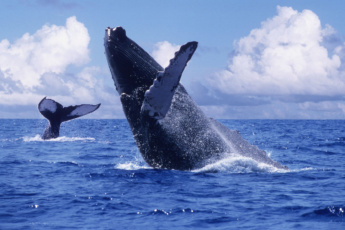
The Best Samaná Whale Watching Tour 2026 - Humpback Whales, Cayo Levantado, El Limon Waterfall
from $149 Read more
Saona Island Excursion - Caribbean Paradise
from $75 Read more3. Salto de Jimenoa: Iconic Film Location
Famed for its cinematic allure, Salto de Jimenoa is not just any waterfall; it’s a star in its own right. Featured in scenes from the classic film Jurassic Park, this waterfall is an iconic symbol of the raw and untamed beauty of the Dominican Republic. Located near Jarabacoa, it plunges down 131 feet into a crystal-clear pool, surrounded by dramatic cliffs and lush greenery.
The journey to Salto de Jimenoa is an adventure in itself, involving a scenic 40-minute hike across a suspension bridge and through verdant landscapes. Along the way, you’ll be serenaded by the sounds of the river and the calls of exotic birds, enhancing the sense of immersion in nature.
To fully appreciate the beauty of Salto de Jimenoa, consider visiting during the dry season, from December to April, when the trail is more accessible. This natural wonder is a must-see for cinephiles and nature enthusiasts alike, offering a captivating mix of adventure and tranquility.
Planning Your Waterfall Adventure
Embarking on a waterfall adventure in the Dominican Republic is like stepping into a real-life paradise. With each cascading drop, you’ll find yourself immersed in stunning natural beauty and rich biodiversity. But to make the most of your trip, some thoughtful planning is required. Here’s everything you need to know to prepare for a waterfall escapade that will leave you breathless—in all the best ways!
1. Best Time to Visit for Optimal Experience
The Dominican Republic is blessed with a tropical climate, which means you can technically visit its waterfalls year-round. However, if you’re aiming for the most spectacular views, timing is everything.
To witness the waterfalls in their full glory, consider visiting during the wet season, which typically runs from May to November. During this time, the rain causes a surge in water flow, making the waterfalls more vibrant and powerful. That said, the wet season also means more rain overall, so be prepared for potential downpours. If you prefer a drier trek and easier access, the dry season from December to April is ideal, albeit with less dramatic water flow.
2. What to Pack for a Waterfall Excursion
Packing the right gear can make or break your waterfall adventure, ensuring you stay comfortable and safe throughout your journey.
- Waterproof Footwear: A sturdy pair of water shoes or hiking sandals with good grip is a must for navigating slippery rocks and trails.
- Lightweight Clothing: Opt for moisture-wicking clothes that dry quickly. A swimsuit is also a good idea if you plan to take a dip.
- Safety Essentials: Don’t forget a first-aid kit, sunscreen, and insect repellent. A waterproof bag will protect your belongings from splashes and rain.
- Hydration and Snacks: Stay energized with plenty of water and high-energy snacks like nuts and granola bars.
3. Guided Tours vs. Independent Exploration
Choosing between a guided tour and independent exploration depends on your comfort level and what you want out of the experience.
Guided tours offer the advantage of local expertise. Guides can provide insights into the history and ecology of the waterfalls, ensuring you don’t miss out on hidden gems. They also handle logistics, making it easier for you to focus solely on the experience. On the downside, tours can be pricier and less flexible in terms of schedule.
Independent exploration, on the other hand, allows for a more tailored experience. You can set your own pace and itinerary, which is perfect for those who enjoy spontaneous adventures. However, you’ll need to be well-prepared with a map or GPS, and it’s crucial to research the trail conditions and local regulations to ensure your safety.
No matter which option you choose, the waterfalls of the Dominican Republic promise a picturesque escape into nature’s embrace. Whether you’re a thrill-seeker or someone looking for peaceful solitude, these cascading wonders offer something for everyone. Now that you’re armed with these tips, it’s time to pack your bags and delve into an unforgettable adventure!
Ecotourism and Conservation Efforts

Aerial view of Punta Cana
The majestic waterfalls of the Dominican Republic are not just natural wonders but also vital ecosystems that require conscientious conservation efforts. These efforts are key to ensuring that the breathtaking beauty and ecological significance of the waterfalls continue to thrive for generations to come.
1. Sustainable Tourism Practices
As a nature enthusiast, embracing sustainable tourism practices is crucial when visiting these stunning waterfalls. By minimizing your environmental footprint, you contribute to the preservation of these natural sites. Simple actions like sticking to designated trails, avoiding littering, and respecting wildlife can make a huge difference. Opt for eco-friendly accommodations and transportation options to further reduce your impact.
Consider carrying a reusable water bottle and eco-friendly toiletries, which significantly cut down on plastic waste. Also, while capturing the beauty of these waterfalls, ensure your photography doesn’t disturb the natural habitat. Remember, leave no trace is more than a mantra; it’s a commitment to protecting nature.
Our Best Tours in Punta Cana
Ready to explore the waterfalls while supporting sustainable tourism? Check out our carefully curated tours that emphasize eco-friendly practices. These tours offer an exhilarating way to discover the Dominican Republic’s natural gems while ensuring their preservation.
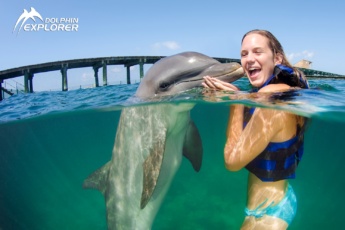
Swimming with Dolphins in Punta Cana - Top Adventure 2026 (50 minutes)
from $155 Read more
Punta Cana Private Boat Trip at the Best Price - 3-Hour Exclusive Tour with Snorkeling (from Jellyfish to Cabeza de Toro)
from $590 Read more2. Local Conservation Initiatives
Numerous local organizations are dedicated to preserving the waterfall ecosystems in the Dominican Republic. These initiatives focus on biodiversity conservation, habitat restoration, and environmental education.
- The Nature Conservancy: Active in the region, this organization works on conserving critical habitats, including those surrounding waterfalls.
- Grupo Jaragua: This local NGO focuses on protecting biodiversity hotspots and advocating for sustainable development practices.
By supporting these organizations, whether through donations or volunteering, you can play a part in safeguarding these natural treasures. Many initiatives also offer educational programs that provide deeper insights into the local ecosystems and conservation challenges.
3. Supporting Local Communities Through Tourism
Engaging with local communities during your waterfall adventures is another fantastic way to support conservation efforts. By purchasing local products and services, you help bolster the economy and encourage sustainable practices among residents.
Consider staying in locally-owned accommodations or dining at family-run eateries to directly contribute to the community. Many local artisans offer unique crafts that make perfect souvenirs, allowing you to take a piece of the Dominican culture home while supporting sustainable livelihoods.
Tourism in the Dominican Republic’s waterfall regions is not just about the stunning visuals; it’s an opportunity to engage in meaningful exchanges that benefit both the environment and the communities that call these beautiful areas home.
Beyond the Waterfalls: Exploring Nearby Attractions
While the waterfalls of the Dominican Republic offer breathtaking beauty and a sense of serenity, they are just the beginning of the adventures that await. Venture beyond the cascades to discover a world brimming with vibrant culture, thrilling activities, and untouched natural wonders.
1. Exploring National Parks and Reserves
For those with a thirst for nature, the Dominican Republic’s national parks and reserves provide a treasure trove of biodiversity and awe-inspiring landscapes. Just a short distance from many of the renowned waterfalls, these protected areas are perfect for a day-long exploration or a leisurely hike.
Los Haitises National Park
is a lush sanctuary located near the Samana Peninsula, where dense mangroves and limestone cliffs create a dramatic backdrop. It’s a haven for birdwatchers, offering sightings of pelicans, herons, and the rare Ridgway’s hawk. The park’s intricate cave systems, adorned with Taino petroglyphs, whisper stories of the island’s indigenous past.
Jaragua National Park
, on the other hand, is a sprawling landscape that showcases the stark contrast of the island’s ecosystems. From arid desert-like areas to coastal lagoons teeming with flamingos, this park is a testament to the island’s diverse natural beauty. A visit here can be a breathtaking journey from dry scrublands to the turquoise waters of Bahia de las Aguilas.
2. Cultural Experiences in Local Villages
Immersing yourself in the local culture can be a delightful addition to your waterfall adventure. The Dominican Republic’s vibrant villages offer a warm welcome and a chance to experience the island’s rich heritage firsthand.
In the heart of Samana, the village of Las Terrenas is a lively blend of Dominican and European influences. Stroll through bustling markets filled with handmade crafts and sample local delicacies like mofongo or fresh seafood dishes. Evenings often come alive with the rhythm of merengue and bachata, inviting you to dance the night away with the locals.
In the northern region, the community of Jarabacoa offers another slice of Dominican life. Known as the “City of Eternal Spring,” it’s a hub for eco-tourism and cultural exchanges. Join a homestay or participate in a cooking class to learn how to make traditional Dominican dishes from scratch, enriching your cultural understanding and culinary skills.
3. Adventure Activities for Adrenaline Seekers
For those who crave a bit more excitement, the areas surrounding the waterfalls provide a playground of adventure activities. Whether you’re a thrill-seeker or just looking to try something new, these activities promise an adrenaline rush like no other.
Zip-lining
through the canopies in places like Punta Cana offers a bird’s-eye view of the lush landscape, while the rush of wind adds a sense of exhilaration. Alternatively, the canyoning opportunities near Jarabacoa provide a heart-pounding descent through steep gorges, combining rappelling, climbing, and swimming for an unforgettable experience.
For those who prefer their adventures on solid ground, consider embarking on a hiking expedition through the rugged terrain of Pico Duarte, the Caribbean’s highest peak. The journey is challenging, but the panoramic vistas from the summit are a reward worthy of every bead of sweat.
Exploring beyond the waterfalls of the Dominican Republic not only enhances your travel experience but also allows you to connect more deeply with the island’s natural and cultural wonders. Each adventure unfolds a new story, captivates a new sense, and etches a new memory in your heart.
Frequently Asked Questions
What are some of the most popular waterfalls to visit in the Dominican Republic?
Some of the most popular waterfalls in the Dominican Republic include El Limón Waterfall on the Samaná Peninsula, 27 Waterfalls of Damajagua near Puerto Plata, and Salto de Socoa near Monte Plata. Each offers a unique experience for nature enthusiasts.
How can I reach El Limón Waterfall?
El Limón Waterfall is located on the Samaná Peninsula. Visitors typically reach it by hiking or horseback riding through a lush, scenic trail. Tours are available that include transportation from nearby towns such as Las Terrenas or Samaná.
Is it safe to swim at the waterfalls?
Swimming is generally safe at many of the waterfalls, but it’s essential to be cautious. Always check local conditions, heed any warning signs, and be aware of currents or slippery rocks. It’s best to swim in designated areas and follow any guidelines provided by guides or locals.
What should I bring when visiting the waterfalls?
When visiting waterfalls in the Dominican Republic, consider bringing a swimsuit, towel, water shoes, sunscreen, insect repellent, and a waterproof camera. It’s also a good idea to pack water and snacks, especially if you’re hiking to the site.
Are guided tours available for exploring the waterfalls?
Yes, guided tours are widely available and often recommended for exploring waterfalls in the Dominican Republic. Guides can enhance your experience by providing insights into the local flora and fauna, ensuring safety, and sometimes offering transportation and equipment.
Do I need to pay an entrance fee to visit the waterfalls?
Many waterfalls, such as the 27 Waterfalls of Damajagua, require an entrance fee, which often includes a guided tour and safety equipment like helmets and life jackets. Fees can vary, so it’s a good idea to check in advance or with your tour operator.
What is the best time of year to visit the waterfalls in the Dominican Republic?
The best time to visit is during the dry season, from December to April, when trails are more accessible, and weather conditions are favorable. However, visiting during the rainy season can mean more impressive waterfall flows, albeit with potentially more challenging trail conditions.
Are the trails to the waterfalls suitable for children and elderly visitors?
Trails to waterfalls like El Limón and the 27 Waterfalls vary in difficulty. Some trails may be challenging for young children or elderly visitors due to steep or slippery sections. It’s advisable to assess individual fitness levels and consider guided tours that offer alternative transportation, like horseback rides, where available.
Can I visit the waterfalls independently, or do I need to join a tour?
While some waterfalls are accessible independently, joining a tour is recommended for safety and convenience. Guides can provide valuable information, aid in navigating trails, and offer a more enriching experience. However, if you’re experienced and confident in navigating natural terrains, independent visits are possible.